News
Ontario’s New Social Assistance Rules: What They Mean for People with Temporary or Precarious Immigration Status
August 14, 2026
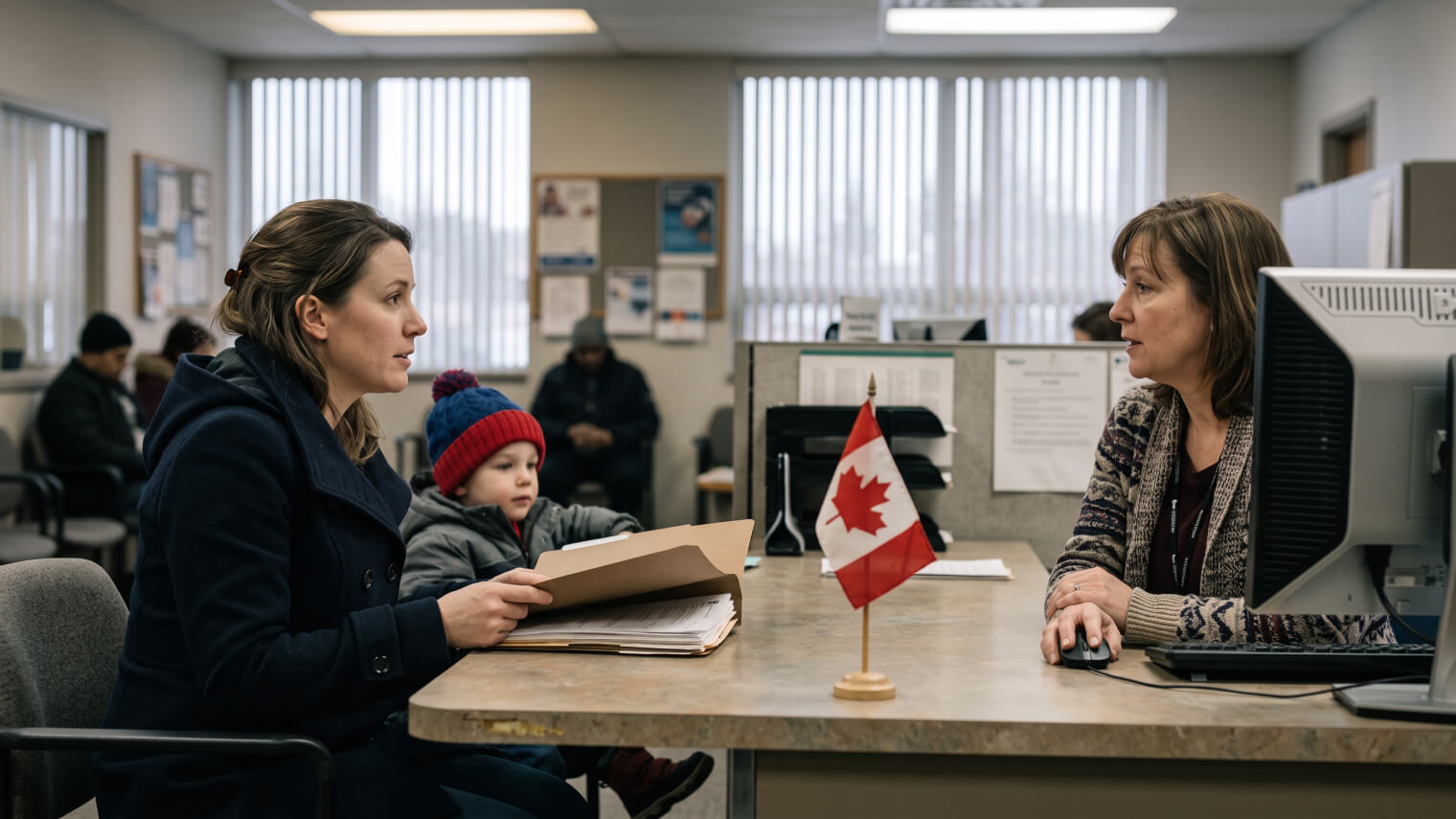
On August 13, 2026, the Ontario government announced changes to the eligibility rules for Ontario Works and the Ontario Disability Support Program (ODSP) affecting people who do not have permanent immigration status in Canada.
The government has described the changes as ending social assistance for people who are “living in Canada illegally.” However, the amendments are broader and more complicated than that description may suggest. They may also affect some people who are lawfully permitted to remain in Canada temporarily or whose immigration situation has not yet been finally resolved.
What has changed?
Under the amended Ontario Works regulation, a person who is not authorized to remain in Canada, or who is authorized to remain only temporarily, is generally not eligible for assistance.
There are important exceptions. In particular, the regulation continues to protect people who have:
There is also a separate rule for people who are subject to an enforceable removal order. Generally, they are not eligible for assistance unless they have submitted an application for permanent residence based on humanitarian and compassionate considerations.
A limited exception also exists for certain people admitted to Canada temporarily under emergency humanitarian measures.
Similar amendments have been made to the rules governing ODSP.
Why immigration status may make the rules complicated
Although the general purpose of the amendments is relatively clear, applying them to individual immigration situations may be more difficult.
Canadian immigration law contains many different forms of temporary or precarious status. A person may, for example, be awaiting a decision on a refugee claim, a refugee appeal, a Pre-Removal Risk Assessment (PRRA), an application for judicial review, or an application for permanent residence. In some situations, a removal order exists but cannot presently be enforced. In others, the legal effect of the person’s immigration proceedings on removal may be more complicated.
The wording of the new regulation may therefore raise questions about eligibility for people at different stages of Canada’s refugee and removal processes, particularly where a person’s risk upon return has not yet been finally assessed.
Temporary Resident Permit holders
Another potentially significant consequence concerns people who hold Temporary Resident Permits (TRPs).
A TRP can be issued to a person who would otherwise be inadmissible or unable to meet the requirements of Canada’s immigration legislation but who has compelling reasons to remain in Canada. TRPs may be issued in a variety of circumstances, including to certain victims of family violence or human trafficking.
Because a TRP provides temporary rather than permanent status, the new rules may affect the ability of some TRP holders to receive provincial social assistance. This could be particularly significant for individuals who have recently left abusive or exploitative situations and have limited financial resources.
Families may also be affected
Immigration status can also differ within the same family.
For example, a child may be a Canadian citizen or permanent resident while a parent has temporary or uncertain immigration status. Similarly, one spouse may have permanent status while the other holds only temporary status.
The effect of the amendments will therefore need to be considered not only for individuals, but also in the context of families and benefit units where family members have different immigration statuses.
Permanent residence applicants remain an important exception
Importantly, the amendments do not create a blanket prohibition against social assistance for everyone without permanent status.
The regulation expressly preserves an exception for people who have applied for permanent residence. People who have made refugee claims are also expressly addressed.
As a result, eligibility will increasingly depend on understanding precisely where a person stands under Canada’s immigration legislation, including whether an application or claim has been made, whether a removal order exists, whether it is enforceable, and whether another proceeding affects the person’s ability to remain in Canada.
What happens next?
Because the amendments are new, some questions about how they will apply to particular immigration situations may ultimately have to be addressed through administrative decision-making, appeals, or further interpretation of the regulations.
People with temporary or precarious immigration status who currently receive Ontario Works or ODSP, or who are considering applying for assistance, should therefore obtain advice about how the new rules apply to their particular immigration circumstances rather than assuming that they are either automatically eligible or automatically excluded.


